When it comes to your garage door, understanding the lifespan of its components is essential for maintaining smooth operation and safety. You might find that springs typically last 7 to 14 years, while cables can wear out in just 5 to 7 years. However, knowing when to replace these parts isn't always straightforward. Signs of wear, like unusual sounds or difficulty in operation, can indicate it's time for a checkup. So, what should you look out for, and how can you ensure your garage door remains reliable?
Key Takeaways
- Garage door springs typically last 7 to 14 years; replace if you notice heaviness or unusual noises during operation.
- Garage door cables should be replaced every 5 to 7 years, especially if you see fraying or rust.
- Garage door openers have a lifespan of 10 to 15 years; replace if operations become inconsistent or safety features malfunction.
- Garage door rollers need replacement every 5 to 7 years; signs include noisy operation or visible damage.
- Garage door panels can last 15 to 30 years; maintenance varies based on material, impacting both longevity and curb appeal.
Garage Door Springs
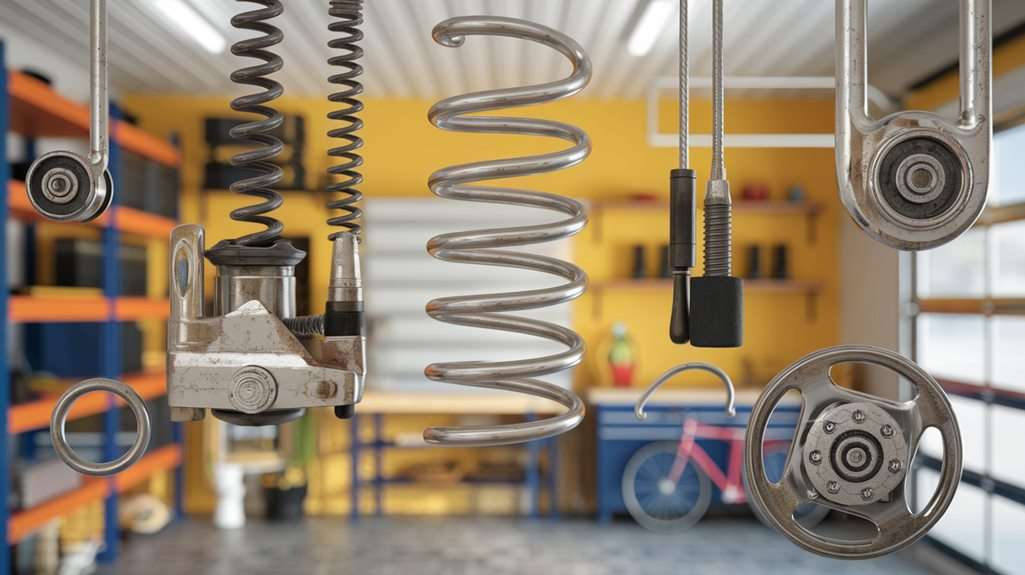
Garage door springs play a crucial role in the smooth operation of your garage door. These springs counterbalance the door's weight, making it easy for you to open and close it with minimal effort.
There are two main types of springs: torsion springs and extension springs. Torsion springs are mounted above the door, while extension springs are found alongside it. Each type has its own lifespan, typically ranging from 7 to 14 years, depending on usage and maintenance. Regular maintenance, as recommended by Supreme Garage Door, can help extend the lifespan of these essential components.
If your garage door starts to feel heavy, moves unevenly, or makes unusual noises when opening or closing, it's likely a sign that your springs are worn out. Regularly inspecting these springs can help you catch issues early, preventing more extensive damage to your garage door system.
When it's time to replace your springs, it's crucial to hire a professional. Garage door springs are under high tension and can be dangerous to handle without proper training. By addressing spring issues promptly and opting for professional help, you can ensure your garage door operates safely and efficiently for years to come. Don't ignore the signs; keep your garage door in top shape!
Garage Door Cables
Garage door cables play a crucial role in the smooth operation of your door, so it's important to watch for signs of wear.
You should know how often to replace them and what maintenance steps you can take to extend their lifespan.
Let's explore these key aspects to keep your garage door functioning safely and efficiently.
Signs of Wear
Over time, the cables that lift and lower your garage door can show clear signs of wear, indicating it's time for a closer inspection. One of the first signs to watch for is fraying or unraveling. If you notice any strands breaking or the cable looking fuzzy, it's a red flag.
You might also see rust or corrosion, especially if the cables are exposed to moisture. This can weaken their strength and lead to failure.
Another sign is uneven movement of the door. If your garage door hesitates, gets stuck, or moves at an irregular pace, it could mean the cables are losing their grip. Additionally, listen for unusual noises when operating the door. Grinding, squeaking, or popping sounds can indicate cable issues.
Replacement Frequency
When it comes to garage door cables, knowing when to replace them is crucial for safety and functionality. These cables bear the weight of your door, so keeping an eye on their condition is essential. Typically, garage door cables should be replaced every 5 to 7 years, but this can vary based on usage and environmental factors.
Here are three key indicators that it's time for a replacement:
- Fraying or Rusting: Inspect your cables for any signs of fraying or rust. These issues compromise their strength and can lead to failure.
- Uneven Movement: If your garage door isn't opening or closing evenly, it could indicate cable wear. This may lead to additional stress on other components.
- Excessive Noise: Listen for unusual sounds when operating your door. Grinding or popping noises may signal that the cables are wearing out.
Maintenance Tips
Regular maintenance of your garage door cables can significantly extend their lifespan and ensure safe operation. Start by visually inspecting the cables for any signs of fraying, rust, or wear. If you notice any damage, it's best to replace the cables immediately to prevent accidents.
Next, keep the cables clean. Use a damp cloth to wipe away dirt and debris that can accumulate over time. This simple step helps maintain cable integrity and function.
Additionally, check the pulleys and rollers for smooth operation. If they're stiff or rusty, they may affect the cables and need lubrication or replacement.
It's also important to regularly tighten any loose hardware associated with the cables. Loose components can lead to uneven tension and increase wear on the cables. Aim to perform these checks every few months, or more frequently if your garage door sees heavy use.
Garage Door Openers
Garage door openers play a crucial role in the convenience and security of your home. These devices not only automate the opening and closing of your garage door but also enhance your property's safety. Generally, you can expect your garage door opener to last between 10 to 15 years, depending on the model and usage frequency.
Here are three signs it might be time to replace your garage door opener:
- Inconsistent Operation: If your opener struggles to lift or lower the door, it may indicate a failing motor.
- Unusual Noises: Grinding, squeaking, or excessive rattling sounds often signal internal issues that can worsen over time.
- Safety Features Malfunctioning: If the safety sensors aren't working correctly and the door doesn't reverse when it encounters an obstruction, it's a significant safety risk.
If you notice any of these signs, it's best to consult a professional. Replacing your garage door opener not only restores functionality but also ensures the security of your home. Keep your system updated, and enjoy the peace of mind that comes with reliable operation.
Garage Door Rollers
Garage door rollers play a crucial role in the smooth operation of your door, so it's important to watch for signs of wear. Knowing when to replace them and understanding the different material options can help you maintain your garage door's efficiency. Let's explore how to spot issues and when to make that replacement.
Signs of Wear
When you pay attention to your garage door's performance, you might notice signs of wear on the rollers that can signal it's time for a replacement. These rollers are crucial for smooth operation, and any signs of deterioration can lead to bigger issues down the line.
Here are three common signs of wear to watch for:
- Noisy Operation: If your garage door starts making unusual grinding or squeaking sounds while opening or closing, it could indicate worn-out rollers.
- Uneven Movement: When the door doesn't glide evenly or hesitates while moving, it's a clear sign that the rollers might be damaged or misaligned, affecting the door's overall function.
- Visible Damage: Inspect the rollers regularly for cracks, chips, or rust. Any visible signs of wear mean they may not function effectively and should be replaced.
Being proactive about these signs can help you avoid more extensive repairs in the future. If you notice any of these indicators, it's wise to address them promptly to ensure your garage door operates smoothly and safely.
Replacement Frequency Tips
Regular maintenance and timely replacement of garage door rollers can significantly extend the lifespan of your entire system. To ensure your garage door operates smoothly, it's essential to keep an eye on your rollers. Generally, you'll want to replace them every 5 to 7 years, but factors such as usage frequency and environmental conditions can influence this timeline.
Here's a quick reference table to help you determine when to consider replacing your rollers:
| Condition | Action Needed |
|---|---|
| Noise or grinding sounds | Inspect and replace |
| Visible wear or cracks | Replace immediately |
| Door doesn't open smoothly | Check and consider replacing |
| Frequent roller jumps | Inspect and potentially replace |
Roller Material Options
Choosing the right material for your garage door rollers can greatly impact their performance and longevity. You've got a few options to consider, each with its own pros and cons. Understanding these materials helps you make an informed decision when replacing your rollers.
- Steel Rollers: These are durable and can handle heavy garage doors. While they can be noisy, they're great for strength and longevity. If you don't mind a bit of sound, they're a solid choice.
- Nylon Rollers: If you prefer a quieter operation, nylon rollers are your best bet. They're lightweight and won't rust, but they mightn't support as much weight as steel. Perfect for those who want a smooth, silent glide.
- Plastic Rollers: These are usually the least expensive option and can be adequate for lighter doors. However, they wear out faster and may not provide the longevity you desire. You might find them suitable for infrequent use.
Garage Door Panels
Garage door panels play a crucial role in both the functionality and aesthetics of your garage door. They're the first thing people notice, and their condition can significantly impact your home's curb appeal. Over time, panels can suffer from wear and tear due to weather conditions, impacts, or general aging. Regular inspections can help you identify any issues early on.
Typically, garage door panels can last anywhere from 15 to 30 years, depending on the material and maintenance. Wood panels may offer charm but require more upkeep compared to steel or fiberglass options. If you notice cracks, dents, or rust, it might be time to consider replacement.
Replacing a damaged panel can be a cost-effective solution, especially if the rest of your garage door is in good shape. Just ensure you select panels that match the style and color of your existing door for a cohesive look.
If you're unsure about the condition of your panels, don't hesitate to consult a professional. They can provide valuable insights and help you decide whether repair or replacement is the best route for your garage door.
Garage Door Tracks
When it comes to the smooth operation of your garage door, the tracks are just as important as the panels. They guide the door as it opens and closes, ensuring everything works seamlessly. If you notice any issues with the tracks, it's crucial to address them promptly to avoid further complications.
Garage door tracks are prone to visible damage, such as bends, dents, or rust, which can lead to misalignment and operational issues. If you see any of these signs, it's important to consider prompt replacement.
Here are three key indicators that it might be time to replace your garage door tracks:
- Visible Damage: If you see bends, dents, or rust on your tracks, it's a sign they may not function properly. This can lead to misalignment and operational issues.
- Unusual Noises: If your garage door makes grinding or scraping noises while opening or closing, it could indicate that the tracks are worn or damaged. This is a clear signal to inspect them.
- Frequent Jamming: If your garage door frequently gets stuck or doesn't move smoothly, the tracks might be misaligned or damaged. Regular maintenance can help, but replacement may be necessary if the problems persist.
Keeping an eye on your garage door tracks ensures a longer lifespan for the entire system and enhances safety.
Garage Door Weather Stripping
Ensuring your garage door is properly sealed can make a significant difference in energy efficiency and protection from the elements. One essential component of this seal is the weather stripping, which helps prevent drafts, moisture, and pests from entering your garage. Typically made from rubber or vinyl, weather stripping wears down over time due to exposure to the elements.
You should regularly inspect your weather stripping for signs of damage, such as cracks, tears, or brittleness. If you notice any of these issues, it's time to replace it. Generally, weather stripping lasts about 5 to 10 years, but factors like climate and sunlight exposure can affect its lifespan.
When replacing weather stripping, choose a product that suits your garage door type and offers a tight seal. Proper installation is crucial; ensure it aligns correctly with the door frame. This simple upgrade can improve your garage's energy efficiency and keep unwanted elements out.
Don't underestimate the importance of maintaining your garage door weather stripping. By staying proactive, you'll enhance your garage's comfort and protect your belongings from the outside environment.