
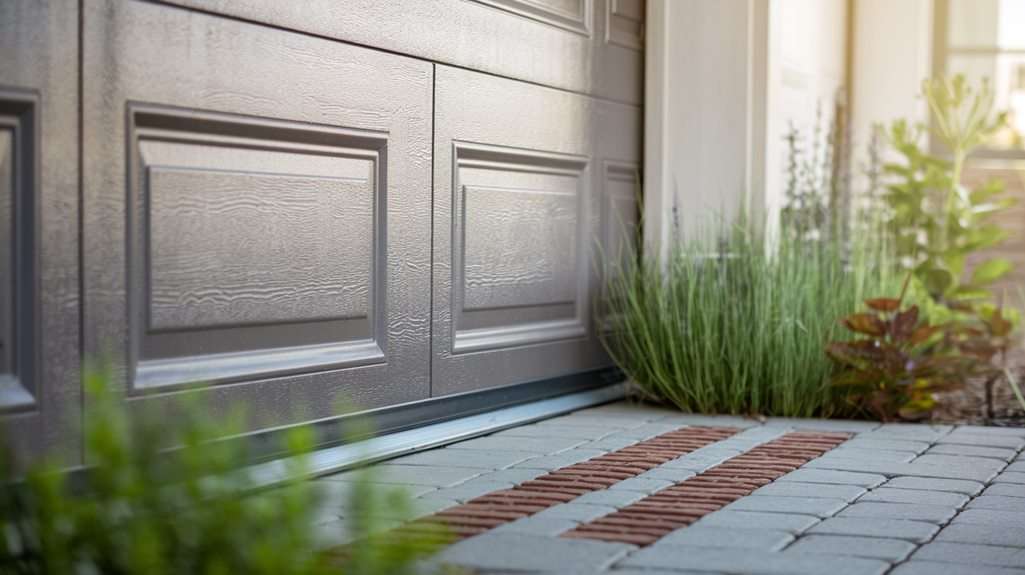
Did you know that nearly 30% of homeowners report pest issues originating from their garages? To keep these unwanted guests at bay, you'll want to pay close attention to your garage door's seals and overall condition. It's not just about closing the door; it's about ensuring your space is adequately protected. Simple measures can make a significant difference, but are you aware of all the potential entry points you might be overlooking? Exploring effective strategies can help you secure your garage against pests more effectively.
Key Takeaways
- Regularly inspect and replace damaged garage door seals and weatherstripping to eliminate gaps that allow pests entry.
- Maintain proper garage door alignment and check roller tracks to ensure smooth operation and secure closure.
- Seal any cracks or gaps around the door frame and ground with weather stripping, door sweeps, or caulk.
- Keep the garage clean and clutter-free to deter pests and remove potential nesting sites.
- Conduct routine pest inspections and promptly address any signs of infestation to prevent larger problems.
Inspect Your Garage Door Seals
Inspecting your garage door seals is crucial for keeping pests out. Over time, these seals can wear down, crack, or become misaligned, creating gaps that allow unwanted critters to enter your garage. Start by visually examining the seals along the bottom and sides of your garage door. Look for any signs of damage, such as tears, warping, or brittleness. If you notice anything unusual, it's time to replace that seal.
Next, check how well the seals fit against the door when it's closed. You shouldn't see any light seeping through; if you do, pests can sneak in. A simple test is to close the door and run your hand along the seals—if you feel drafts or gaps, those seals aren't doing their job.
Make it a habit to inspect the seals at least twice a year. Seasonal changes can affect the materials, causing them to expand or contract. Keeping your seals in top condition not only prevents pests but also improves your garage's energy efficiency.
Addressing seal issues promptly can save you from bigger problems down the line, so don't overlook this essential step!
Use Weatherstripping Effectively
Weatherstripping is a powerful tool in your pest prevention arsenal. It creates a barrier that seals gaps around your garage door, keeping unwanted critters at bay. To use weatherstripping effectively, start by choosing the right material. Options like rubber, vinyl, or foam work well, but make sure they're durable enough to withstand the elements.
Next, measure the gaps around your garage door. You'll want to ensure your weatherstripping fits snugly without any gaps where pests could squeeze through. Once you've got the measurements, install the weatherstripping along the bottom and sides of the door frame. This will help seal off entry points.
Don't forget to check the door's surface; it should be clean and free of debris for optimal adhesion. After installing, test the seal by closing the door and checking for any light peeking through. If you can see light, you may need to adjust or replace the weatherstripping.
Regularly inspect your weatherstripping for wear and tear, and replace it as needed. By maintaining a tight seal, you'll significantly reduce the chances of pests invading your garage, ensuring a safer and more secure space.
Maintain Proper Garage Door Alignment
To keep pests out of your garage, you'll want to regularly check your door seals and ensure they're in good shape.
Inspect the roller tracks frequently, as misalignment can create gaps that pests can exploit.
Don't forget to adjust the sensors as needed to ensure everything functions smoothly and keeps unwanted visitors away.
Check Door Seals Regularly
Keeping your garage door seals in check is crucial for preventing pests from sneaking in. Over time, these seals can wear out or get damaged, creating gaps that unwanted critters can exploit. Regularly inspecting your door seals ensures they're functioning correctly and maintaining a tight barrier.
To help you understand the importance of door seals, here's a simple breakdown:
| Seal Type | Signs of Damage | Recommended Action |
|---|---|---|
| Bottom Seal | Cracks or gaps | Replace the seal entirely |
| Side Seals | Worn or torn edges | Inspect and replace as needed |
| Top Seal | Loosening from frame | Reseal or replace |
| Weatherstripping | Hardening or cracking | Remove and install anew |
Inspect Roller Tracks Frequently
Regularly inspecting the roller tracks of your garage door is essential for maintaining proper alignment and preventing pests from entering. Misaligned tracks can create gaps, allowing insects and rodents easy access to your garage. Start by checking for any debris, dirt, or obstructions in the tracks. A clean track ensures smooth operation and reduces the risk of misalignment.
Next, look for signs of wear or damage. If you notice bent or broken rollers, it's crucial to replace them promptly. Damaged rollers can cause the door to become misaligned, leading to further issues down the line.
You should also check for rust or corrosion, as these can weaken the integrity of your tracks.
While inspecting, manually operate the door to feel for any resistance or sticking points. If you experience difficulties, it might indicate that your tracks need adjustment. Addressing these issues early on can save you time and money in the long run.
Adjust Sensors as Needed
While maintaining your garage door's alignment, adjusting the sensors is crucial for ensuring it operates correctly and keeps pests at bay. If your garage door sensors are misaligned, they may not detect obstacles properly, causing the door to stay open longer than necessary. This creates an entry point for unwanted pests.
To check your sensors, first look for any visible misalignment. The sensors should be facing each other, positioned about six inches off the ground. If they're not aligned, simply loosen the mounting brackets and adjust them until they're parallel. Once aligned, tighten the brackets securely.
Next, test the sensors by manually blocking the beam. The door should reverse immediately upon obstruction. If it doesn't, you may need to recalibrate the sensors according to the manufacturer's instructions.
Regularly checking and adjusting your sensors not only ensures your garage door functions safely but also helps keep pests like rodents and insects from sneaking in. A well-aligned system can significantly reduce the risk of pest infestations, so make it a habit to inspect them during your routine maintenance checks.
Install a Door Sweep
A door sweep is an essential barrier that can significantly reduce the chances of pests sneaking into your garage. This simple addition seals the gap between the bottom of your garage door and the floor, preventing unwanted critters from slipping through.
When you install a door sweep, you'll notice it not only keeps pests out but also helps maintain your garage's temperature by minimizing drafts.
To install a door sweep, first, measure the width of your garage door. Purchase a sweep that fits that width, or trim it to size. Most door sweeps come with adhesive backing or require screws for secure attachment. If you're using adhesive, make sure the surface is clean and dry before sticking it on. For screw-in types, pre-drill holes for easier installation.
After installation, regularly check the door sweep for wear and tear. If it begins to wear down, replace it promptly to maintain its effectiveness.
Keep the Garage Clean and Clutter-Free
To keep pests at bay, you need to maintain a regular cleaning schedule for your garage. By decluttering and organizing your space, you'll eliminate hiding spots that attract unwanted guests. Proper storage solutions won't only tidy up the area but also make it easier to spot any potential pest problems before they escalate.
Regular maintenance, as recommended by Supreme Garage Door, can help ensure that your garage remains pest-free and well-functioning.
Regular Cleaning Schedule
Keeping a clean and clutter-free garage is essential for preventing pests from making it their home. Establishing a regular cleaning schedule can help you maintain this environment. Set aside time each week or month to thoroughly clean your garage. Consistency is key; by sticking to your schedule, you'll create a habit that keeps pests at bay.
Start by sweeping the floors and removing any debris that might attract unwanted visitors. Pay special attention to corners and hidden areas where dirt can accumulate. Don't forget to dust shelves and surfaces, as crumbs and residues can invite pests in.
While you're at it, check for any signs of pests, like droppings or nests, and address any issues immediately.
Next, sort through items and declutter. Get rid of items you no longer need or use, as clutter provides hiding spots for pests. Consider donating or disposing of these items responsibly.
Proper Storage Solutions
Effective storage solutions can transform your garage into an organized space that deters pests. Start by investing in sturdy shelves and cabinets to keep items off the floor. This not only maximizes space but also minimizes hiding spots for pests. Use labeled bins to store seasonal items, tools, and other belongings. Clear, airtight containers are ideal for preventing pests from accessing food or fabric materials.
Next, make sure to regularly assess your storage areas. If you find items you no longer need, consider donating or discarding them. A clutter-free environment reduces the chances of inviting pests into your garage.
Additionally, keep frequently used items easily accessible while storing less-used items higher up or in the back. Use wall hooks for bicycles, ladders, and garden tools to free up floor space.
Seal Cracks and Gaps Around the Door
Sealing cracks and gaps around your garage door is essential if you want to keep pests out. Even the smallest openings can invite unwanted intruders, like mice, spiders, and insects, into your garage. Start by examining the door's frame and the ground where it meets the concrete. Look for any visible cracks or gaps that might serve as entry points.
Next, use weather stripping or door sweeps to seal the edges. Weather stripping comes in various materials, such as rubber or foam, and effectively blocks gaps, preventing pests from sneaking in.
For the bottom of the door, a door sweep can help seal the space between the door and the floor, ensuring a tight fit.
Don't forget to check the hinges and any areas where the door meets the wall. If you spot gaps, apply caulk to fill them in. Regularly inspect these seals, especially after harsh weather, as wear and tear can create new openings.