
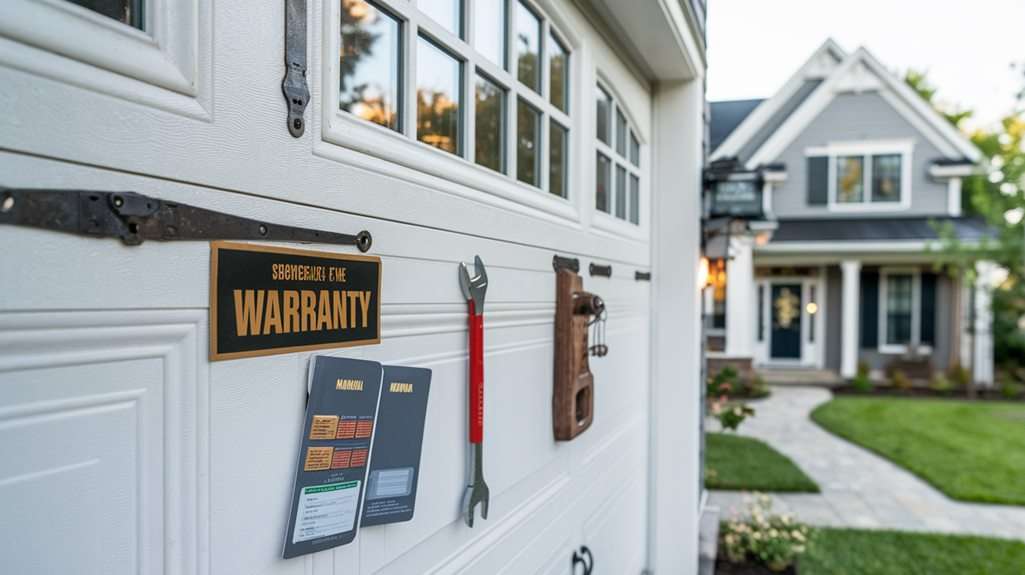
Imagine you just invested in a top-of-the-line garage door, only to find out that a crucial component isn't covered under the warranty. It's a frustrating scenario that many homeowners face, often leading to unexpected repair costs. Understanding the nuances of garage door warranties can save you from such pitfalls and ensure your investment is protected. With various types of warranties available, knowing what to look for and what to avoid can make all the difference. Are you aware of the key terms that could impact your coverage?
Key Takeaways
- Garage door warranties vary significantly, including limited, full, and lifetime options with differing coverage durations and exclusions.
- Understand common exclusions, such as normal wear and tear, to avoid unexpected repair costs.
- Regular maintenance can help keep your warranty valid and prolong the life of your garage door.
- Assess warranty transferability to increase your property's value when selling your home.
- Research manufacturers' reputations and customer reviews to choose a reliable warranty for your garage door.
Types of Garage Door Warranties
When it comes to garage door warranties, you'll find several types designed to meet different needs and budgets. The most common types include limited warranties, which cover specific components like springs or panels for a set period. You'll often see these warranties lasting anywhere from one to ten years.
Another option is a lifetime warranty, which might sound appealing, but it usually comes with conditions. These warranties can cover certain parts for as long as you own your home, but they often exclude labor costs or may have specific stipulations regarding proper maintenance.
Some manufacturers offer extended warranties for additional coverage. This means you can purchase extra protection for components that may not be included in the standard warranty. Keep in mind that these warranties may come at an extra cost and can vary widely in what they cover.
Key Warranty Terms Explained
When shopping for a garage door warranty, it's important to understand the different types available and what each covers. You'll want to pay close attention to the coverage duration, as this can vary significantly between warranties. Knowing these key terms can help you make an informed decision and protect your investment.
Types of Warranties
Understanding the different types of warranties available for garage doors can save you both time and money. There are generally three main types of warranties you should know about: limited warranties, full warranties, and lifetime warranties.
A limited warranty typically covers specific parts and may have certain conditions. For instance, it might only cover the garage door opener while excluding other components like springs or tracks. This type of warranty often has a time frame during which you can make claims.
Full warranties, on the other hand, provide broader coverage. They usually cover the entire garage door system and often include repair or replacement at no cost if any covered part fails. However, be sure to read the fine print, as some full warranties may still have exclusions.
Lastly, lifetime warranties sound appealing, but they often come with caveats. These warranties usually cover certain components for the product's lifespan, but that lifespan can be defined differently by each manufacturer. Always confirm what "lifetime" means in your specific case.
Coverage Duration Explained
Knowing the types of warranties is just the start; what really matters is how long those warranties last and what they cover. Garage door warranties typically fall into two categories: limited and lifetime.
A limited warranty usually covers specific parts for a designated period, often ranging from one to ten years. Be sure to read the fine print, as some components may have shorter coverage durations than others.
On the other hand, a lifetime warranty suggests coverage for the door's lifetime, but this often comes with stipulations. Manufacturers may define "lifetime" in terms of the original homeowner's occupancy, meaning it mightn't transfer to new owners.
You should also consider the coverage duration for labor, which often has separate timeframes. While parts may be covered for years, labor might only last a year or two.
Lastly, keep in mind that environmental factors can affect warranty validity. For example, harsh climates can void warranties, so check the specifics. Understanding these coverage durations ensures you make informed decisions about your garage door investment.
Coverage Details and Limitations
When it comes to garage door warranties, understanding the types of coverage is essential for making the right choice.
You'll also want to be aware of common exclusions that might catch you off guard.
Lastly, the duration of the warranty can significantly impact your long-term investment, so let's break that down.
Types of Coverage
Garage door warranties can vary widely, offering different types of coverage that cater to your specific needs and budget. Generally, you'll encounter two main types: limited and full coverage. Limited coverage typically applies to specific components, such as springs, cables, and rollers, meaning only those parts are covered for a set time. If a covered part fails, you may receive a replacement or repair, but you'll be responsible for labor costs.
On the other hand, full coverage warranties tend to encompass a broader range of components and offer more comprehensive protection. These warranties often cover parts, labor, and sometimes additional services like routine maintenance. However, these plans might come at a higher price.
Another factor to consider is the duration of coverage. Some warranties last only a few years, while others can extend for decades. Additionally, you might find warranties that offer prorated coverage, meaning the amount you receive decreases over time.
Before choosing a warranty, carefully evaluate your garage door's material, usage, and the warranty's specifics to ensure you select the right coverage for your situation.
Common Exclusions
Understanding common exclusions in garage door warranties is crucial for homeowners looking to make an informed decision. Many warranties come with specific limitations that can leave you unprotected when you need it most.
One frequent exclusion involves normal wear and tear. While it's expected that parts will eventually wear out, some warranties won't cover these issues, leaving you responsible for repairs.
Additionally, damage caused by improper installation or maintenance often falls outside warranty coverage. If you decide to handle repairs yourself or hire someone unqualified, you could void your warranty altogether.
Another common exclusion is damage from environmental factors like storms, floods, or hail. While these events can cause significant harm, many warranties don't cover such natural disasters, meaning you'll need separate insurance for these instances.
Lastly, cosmetic damages, such as scratches or dents that don't affect functionality, are typically not covered. It's important to read the fine print and understand what's excluded to avoid unexpected costs down the line. By knowing these exclusions, you can better assess your coverage options and plan for potential expenses.
Duration of Warranty
Many homeowners often overlook the duration of their garage door warranties, which can significantly impact their long-term maintenance costs. Knowing how long your warranty lasts helps you budget for repairs or replacements. Typically, warranties range from one year to a lifetime, depending on the manufacturer and the type of garage door.
Here's a quick overview of what you might encounter:
| Warranty Type | Duration | Coverage Details |
|---|---|---|
| Basic Limited Warranty | 1-3 years | Covers parts only, labor not included |
| Standard Warranty | 5-10 years | Covers parts and some labor |
| Extended Warranty | 10-20 years or lifetime | Comprehensive coverage, often transferable |
When reviewing your warranty, pay attention to any limitations. Some may only cover defects in materials and workmanship, while others might exclude wear and tear. It's crucial to understand these aspects to avoid unexpected expenses. Ultimately, getting the most out of your warranty requires you to stay informed about its duration and limitations.
How to File a Warranty Claim
Filing a warranty claim for your garage door can be a straightforward process if you follow the right steps. First, gather all necessary documents, including your original purchase receipt and warranty information from Supreme Garage Door. This will help you provide proof of purchase and confirm that your issue is covered under the warranty.
Next, inspect your garage door for any specific problems and document them with photos or notes. This evidence will be useful when explaining the issue to the manufacturer or installer.
Once you have your information ready, contact the company's customer service department. Be prepared to provide your details and describe the issue clearly and concisely.
Some companies may require you to fill out a warranty claim form, so check their website or ask the representative for guidance.
After submitting your claim, keep a record of any correspondence and follow up if you don't hear back within a reasonable timeframe.
Maintaining Your Garage Door
Regularly maintaining your garage door is essential for ensuring its longevity and optimal performance. Start by inspecting the door and its components every few months. Look for signs of wear, such as frayed cables or rusted springs. If you notice anything unusual, address it immediately to prevent further damage.
Next, lubricate the moving parts, including the rollers, hinges, and tracks. Use a silicone-based lubricant to reduce friction and keep everything running smoothly.
Don't forget to check the weather seals and replace them if they're worn out; this helps maintain your garage's energy efficiency.
Also, test your garage door's balance. Disconnect the opener and manually lift the door halfway; it should stay in place. If it doesn't, you may need to adjust the springs, which is best left to a professional.
Tips for Choosing a Warranty
When it comes to selecting a garage door warranty, you'll want to weigh your options carefully to ensure you're covered for potential issues. Start by assessing the coverage details. Look for warranties that cover both parts and labor, as this can save you significant costs if something goes wrong. Pay attention to the duration of the warranty; longer coverage often indicates a manufacturer's confidence in their product. For example, warranties from Supreme Garage Doors offer comprehensive coverage for peace of mind.
Next, consider the exclusions. Some warranties may not cover specific damages or types of wear and tear. Make sure to read the fine print to avoid surprises down the line.
It's also wise to check if the warranty is transferable, especially if you plan to sell your home. A transferable warranty can add value to your property.
Don't forget to evaluate the reputation of the manufacturer or service provider. Research customer reviews and testimonials to gauge their reliability and responsiveness in handling warranty claims.
Lastly, compare different warranties side by side to see which one offers the best value for your needs. By following these tips, you'll make an informed decision that provides peace of mind for years to come.