Think of your garage door as a fortress; without proper weatherstripping, its defenses against the elements are compromised. You might not realize how much gaps can impact your garage's efficiency, leading to higher energy bills and discomfort. By understanding the different types of weatherstripping and their benefits, you can make informed choices that protect your space. What's more, the installation and maintenance processes can greatly influence the long-term effectiveness of these seals, so it's worth exploring how to optimize this vital component. Curious about the best options for your garage?
Key Takeaways
- Weatherstripping seals gaps around garage doors, preventing air leaks and enhancing temperature control within the garage.
- Effective weatherstripping reduces energy bills by minimizing drafts, thereby lowering heating and cooling costs.
- Various materials like vinyl, rubber, and foam offer different sealing capabilities, allowing customization based on specific needs and climate conditions.
- Regular maintenance and timely replacement of weatherstripping ensure optimal performance and prolong the lifespan of HVAC systems.
- Properly installed weatherstripping protects garage contents from moisture and pests, preserving the garage structure and belongings.
Understanding Weatherstripping Types
When you're looking to enhance your garage door's efficiency, understanding the different types of weatherstripping is crucial. Weatherstripping serves as a barrier against drafts, moisture, and dirt, ensuring your garage remains comfortable and clean. There are several types to consider.
First, you've got the V-strip, which is a flexible plastic or metal strip that forms a V shape when installed. It's great for sealing gaps along the door edges.
Next is the foam tape, perfect for irregular surfaces. This self-adhesive tape compresses easily and fills in those small cracks.
Another option is the rubber or vinyl weatherstripping, which you can install along the bottom of your garage door. This can help seal off the space between the door and the floor, keeping out water and pests.
Lastly, you might consider garage door thresholds, which create a solid barrier at the base of the door.
Each type has its unique strengths, so choose based on your specific needs. By selecting the right weatherstripping, you'll take a significant step toward improving your garage door's overall performance.
Benefits of Effective Weatherstripping
Effective weatherstripping dramatically improves your garage door's performance by reducing energy loss. When your garage is properly sealed, you'll notice a significant difference in temperature control. This means your garage stays warmer in winter and cooler in summer, making it a more comfortable space for you and your family.
Moreover, effective weatherstripping can lead to lower energy bills. By preventing drafts and air leaks, your heating and cooling systems don't have to work as hard, saving you money over time. You'll appreciate the extra savings each month, allowing you to allocate funds elsewhere.
Additionally, good weatherstripping helps protect your garage from moisture and pests. With a tight seal, you can reduce the risk of water damage and keep unwanted critters at bay. This not only preserves your garage's structure but also keeps your belongings safe and dry.
Common Garage Door Gaps
You mightn't realize it, but your garage door can have several common gaps that lead to air leaks. These gaps can arise from various factors, including wear and tear or improper installation. Understanding the types of gaps and their impact on your energy costs, as highlighted in the Garage Door Maintenance knowledge, is essential for maintaining efficiency in your garage.
Types of Common Gaps
Garage doors often have multiple gaps that can compromise your home's energy efficiency. Identifying these gaps is crucial for ensuring your garage remains insulated and comfortable. Here are four common types of gaps you might encounter:
- Bottom Gap: This is the space between the garage door and the floor. If it's too wide, air and moisture can easily enter your garage.
- Side Gaps: These occur along the vertical edges of the door. If the door isn't aligned properly or the seals are worn, these gaps can let in cold drafts.
- Top Gap: This gap exists at the top of the door when it doesn't close flush against the frame. It can also allow unwanted air and pests to infiltrate your garage.
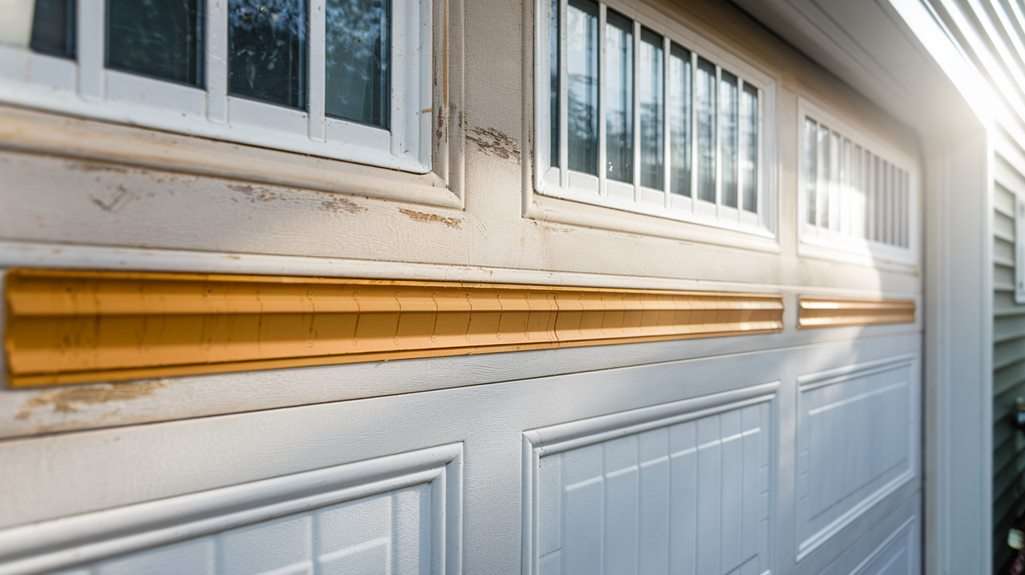
- Weatherstripping Gaps: Over time, the weatherstripping can degrade or become detached, leading to small openings that compromise efficiency.
Addressing these gaps not only enhances energy efficiency but also protects your garage from the elements. Make it a priority to inspect and seal these areas for optimal performance.
Causes of Air Leaks
Identifying the causes of air leaks in your garage door is essential for maintaining energy efficiency and comfort. Several common issues can lead to these leaks, and recognizing them can help you address the problem effectively.
First, check for gaps around the edges of your garage door. Over time, the door may settle or warp, creating spaces where air can enter or escape. Additionally, worn-out or damaged weatherstripping can fail to provide the necessary seal, allowing drafts to seep in.
Another culprit can be the alignment of your garage door. If it's not properly aligned with the frame, you'll likely notice gaps that compromise insulation. Hinges and rollers can also wear down, causing misalignment and further contributing to air leaks.
Lastly, inspect the threshold at the bottom of the door. If it's cracked or uneven, it won't create a proper seal against the floor. By identifying these common causes of air leaks, you can take the necessary steps to improve your garage door's efficiency and comfort. Investing time in these inspections pays off in a more energy-efficient home.
Impact on Energy Costs
Even small gaps in your garage door can significantly impact energy costs. When air leaks through these openings, your heating and cooling systems have to work harder to maintain a comfortable temperature inside your home. This not only affects your comfort but also leads to higher energy bills. Here's how those gaps can drain your wallet:
- Increased Heating Costs: Cold air can seep in during winter, forcing your heater to run longer.
- Higher Cooling Expenses: In summer, hot air enters, making your air conditioner work overtime.
- Unwanted Moisture: Humidity from outside can lead to mold and mildew, which might require costly remediation.
- Wear and Tear: Your HVAC system's increased workload can lead to more frequent repairs and shorter lifespan.
Installation Tips for Weatherstripping
When you're ready to install weatherstripping on your garage door, it's crucial to choose the right material for your specific needs.
Follow a step-by-step installation guide to ensure a proper fit and maximum efficiency.
Let's explore how to make this process straightforward and effective.
Choosing the Right Material
Selecting the right material for weatherstripping your garage door is crucial for enhancing energy efficiency. It's important to choose a material that not only fits your door but also withstands the elements. Here are four key materials to consider:
- Vinyl: Durable and flexible, vinyl weatherstripping is resistant to moisture and UV rays, making it a great choice for various climates.
- Rubber: Known for its excellent sealing capabilities, rubber can compress easily, providing a tight fit that keeps out drafts and pests.
- Foam: Lightweight and easy to install, foam weatherstripping is ideal for irregular gaps. It offers decent insulation but may not be as durable as other options.
- Metal: For a long-lasting solution, consider metal weatherstripping. It's particularly effective for heavy-duty garage doors, providing a robust barrier against wind and rain.
When you're choosing the right material, think about your specific needs, climate conditions, and how much wear and tear your garage door will face. Making the right choice now can lead to significant energy savings down the line.
Step-by-Step Installation Guide
After you've chosen the right material for your garage door weatherstripping, it's time to put that selection into action. First, gather your tools: a measuring tape, utility knife, and adhesive (if needed).
Start by measuring the length of the garage door's bottom and sides. Cut your weatherstripping to match these dimensions, ensuring a snug fit.
Next, clean the surfaces where you'll apply the weatherstripping. Remove any old weatherstripping and wipe down the area with a damp cloth to eliminate dirt and debris. This step helps the adhesive (if used) stick better.
Now, begin installing the weatherstripping at the bottom of the door. Align it carefully, pressing it firmly against the surface. If you're using adhesive, follow the manufacturer's instructions for application.
Move on to the sides, ensuring each piece fits tightly without gaps.
Maintenance of Weatherstripping
Maintaining your garage door's weatherstripping is crucial for optimal efficiency and energy savings. Regular upkeep ensures that your garage remains insulated and protected from the elements. Here are four essential maintenance tips to keep your weatherstripping in top shape:
- Inspect Regularly: Check the weatherstripping every few months for signs of wear or damage. Look for cracks, tears, or areas where it's pulled away from the door frame.
- Clean the Surface: Dirt and debris can compromise the seal. Wipe down the weatherstripping with a mild detergent and water solution to remove buildup, making sure it's dry before closing the door.
- Lubricate: Apply silicone-based lubricant to the weatherstripping to keep it flexible and prevent it from becoming brittle over time. Avoid petroleum-based products as they can degrade the material.
- Replace When Necessary: If you notice any significant wear or the weatherstripping isn't sealing properly, don't hesitate to replace it. Investing in new weatherstripping will pay off in the long run by maintaining your garage's efficiency.
Energy Savings From Weatherstripping
Energy efficiency is a vital concern for many homeowners, and weatherstripping plays a key role in achieving significant savings. By sealing the gaps around your garage door, you're preventing unwanted air leaks. This simple addition helps maintain the temperature inside your garage, reducing the workload on your heating and cooling systems.
When you invest in quality weatherstripping, you can expect a notable decrease in energy bills. For example, by minimizing drafts, you're less likely to crank up the thermostat during winter or blast the AC in summer. This not only saves you money but also contributes to a more comfortable living space.
Moreover, weatherstripping can extend the lifespan of your HVAC systems. With less strain on these units, they'll run more efficiently and require fewer repairs. In the long run, this decision could lead to substantial savings.
In addition to saving on energy costs, weatherstripping also enhances your garage's functionality. It keeps out dust, pests, and moisture, which can prevent damage to your belongings. So, by prioritizing weatherstripping, you're making a smart choice that benefits both your wallet and your home's integrity.