
Your garage door could be the most dangerous part of your home if it malfunctions, yet many people overlook its maintenance. Regular inspections play a critical role in identifying issues before they spiral into major problems, potentially saving you from costly repairs and ensuring your safety. You might be surprised to learn what common signs indicate it's time for a check-up. Understanding these early warning signals can make all the difference, and knowing when to call in a professional can further safeguard your home. What are the key indicators you should watch for?
Key Takeaways
- Regular inspections prevent complete failure and extend the lifespan of your garage door system.
- Early detection of issues can save time, money, and reduce the risk of injuries.
- Inspections ensure proper functioning of safety features, minimizing the risk of accidents.
- Identifying worn-out springs and misaligned tracks prevents costly repairs and enhances efficiency.
- Routine maintenance keeps your garage door operating smoothly and quietly, reducing energy consumption.
Understanding Garage Door Mechanics
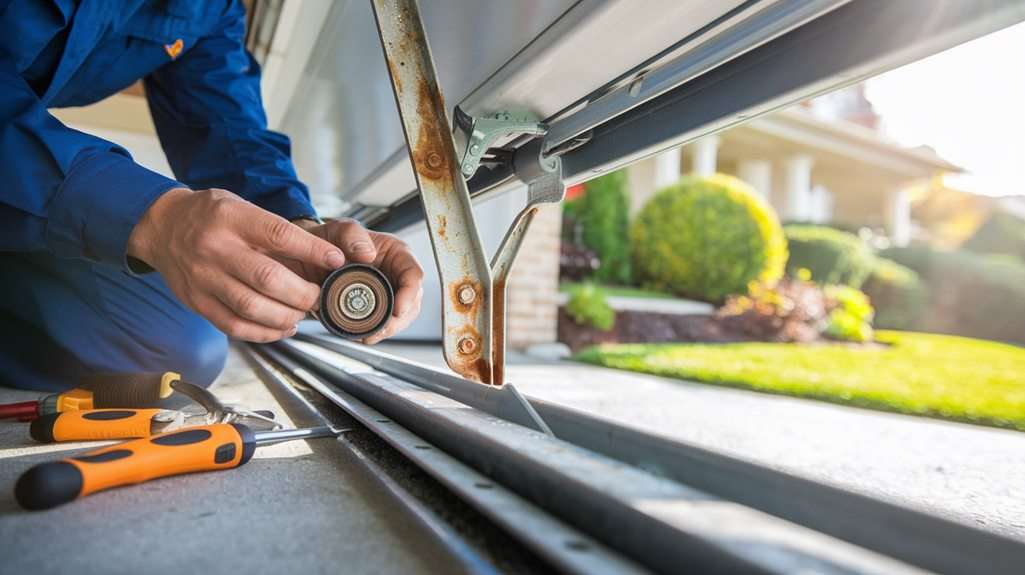
Regularly understanding garage door mechanics is essential for maintaining a smoothly functioning system. A garage door consists of various components, including springs, tracks, rollers, and the opener. Knowing how these parts work together helps you identify potential issues before they escalate.
The springs, for example, bear the weight of the door. If you notice any wear or unusual sounds, you might want to examine them closely. Similarly, the tracks guide the door's movement, and any misalignment can cause problems. Keeping the tracks clean and free of debris ensures smooth operation.
The rollers enable the door to open and close effortlessly. If they're worn out, the door may not function properly. Regularly lubricating these moving parts can extend their lifespan and enhance performance.
Don't forget about the opener, which is the brain of the operation. Familiarizing yourself with its settings and ensuring it's functioning correctly can prevent unexpected malfunctions.
Signs Your Garage Door Needs Inspection
If your garage door starts making unusual noises when it operates, it's time to pay attention.
You might also notice visible wear and tear, which can signal underlying issues.
Recognizing these signs early can save you from costly repairs down the line.
Unusual Noises When Operating
When your garage door starts making unusual noises during operation, it's often a clear signal that something's amiss. You might hear grinding, squeaking, or rattling sounds that weren't there before. These noises can indicate various issues, such as poorly lubricated parts, worn-out rollers, or loose hardware. Ignoring these sounds can lead to bigger problems down the line.
If you notice a sudden change in noise, it's crucial to pay attention. For instance, a grinding noise might suggest that the metal components are rubbing together, which can cause premature wear.
Squeaking often means that the hinges or rollers need lubrication, while rattling could indicate that screws or bolts are loose, compromising the door's security.
Don't overlook these signs; they're your garage door's way of communicating that it needs inspection. Regular maintenance can help identify the root cause of these noises and prevent costly repairs. If you're unsure about the source of the sounds, consider calling a professional. They can provide a thorough inspection, ensuring your garage door operates smoothly and safely. Taking action now can save you time, money, and hassle later on.
Visible Wear and Tear
Visible wear and tear on your garage door can be a strong indicator that it's time for an inspection. Regularly checking for signs of damage can prevent larger issues down the line. Here are some common signs you should look for:
| Signs of Wear | What to Look For | Action Required |
|---|---|---|
| Cracks in the Panels | Visible splits or gaps in the material | Schedule a repair |
| Rust or Corrosion | Flaking paint or brownish spots | Clean and treat the area |
| Misalignment | Door not opening or closing properly | Adjust tracks or rollers |
| Damaged Weather Stripping | Worn-out seals around the door | Replace weather stripping |
| Inconsistent Movement | Door hesitating or getting stuck | Inspect for mechanical issues |
If you notice any of these signs, don't ignore them. A small issue can escalate into a costly repair if left unaddressed. By being proactive and scheduling regular inspections, you can ensure your garage door remains safe and functional for years to come.
Benefits of Regular Inspections
Regular inspections of your garage door can save you time, money, and stress down the line. By checking your door regularly, you can catch minor issues before they escalate into major problems. This proactive approach minimizes the risk of unexpected breakdowns, which can be both inconvenient and costly.
You'll also enhance the lifespan of your garage door. Routine maintenance keeps all components in good working order, preventing premature wear and tear. Plus, regular inspections can improve your door's efficiency. A well-maintained door operates smoothly and quietly, reducing energy consumption.
Another benefit is safety. A malfunctioning garage door can pose serious risks to you and your family. Regular checks ensure that safety features, such as auto-reverse mechanisms, are functioning properly, giving you peace of mind.
Common Issues Found During Inspections
During your garage door inspections, you might notice some common issues that need attention.
Misaligned door tracks, worn-out springs, and damaged cables can all impact your door's functionality and safety.
Identifying these problems early can save you time and money in the long run.
Additionally, regular maintenance services from Supreme Garage Door can help address these issues promptly and prevent any further damage to your garage door system.
Misaligned Door Tracks
Misaligned door tracks can lead to a host of problems that affect your garage door's functionality and safety. When your tracks are out of alignment, the door may not open or close smoothly. You might notice unusual noises as the door struggles to move along the tracks, which is a clear sign something's wrong.
This misalignment can cause unnecessary wear and tear on your garage door opener, leading to costly repairs down the line.
Additionally, if the tracks are significantly misaligned, the door could become stuck, leaving your garage vulnerable and inaccessible. In some cases, a misaligned door might even derail, posing a serious safety risk to you and your family.
Regular inspections can help you spot these issues early. During your inspection, check the tracks for bends, gaps, or any visible obstructions. If you find any misalignments, it's best to address them promptly. You might be able to realign the tracks yourself, but don't hesitate to call a professional if you're unsure.
Keeping your door tracks aligned ensures smooth operation and enhances the overall safety of your garage door system.
Worn Out Springs
Worn out springs are one of the most common issues you might encounter during garage door inspections. These springs play a crucial role in the operation of your garage door, counterbalancing its weight to ensure smooth opening and closing. Over time, they can become fatigued, leading to decreased functionality and potential safety hazards.
When inspecting your garage door, pay close attention to the springs. Look for signs of rust, corrosion, or visible wear. If you notice the springs look stretched or the coils appear to be separated, it's a clear indication they need replacement. Ignoring worn out springs can lead to more serious problems down the line, such as a door that won't open or close properly.
Additionally, if you hear loud noises during operation, like a loud bang or creaking, it may suggest the springs are nearing their breaking point. Regular inspections can help you catch these issues early, allowing you to address them before they escalate into costly repairs or safety risks. Remember, it's best to consult a professional for spring replacements to ensure proper installation and safety.
Damaged Cables
Cables are vital components of your garage door system, and damaged cables can lead to significant operational issues. When you notice your garage door acting sluggish or uneven, it might be a sign that the cables are frayed or broken.
These cables bear the weight of the door, and if they're compromised, it can create a dangerous situation.
During regular inspections, it's crucial to look for signs of wear on the cables. This includes fraying, rust, or any visible damage. If you spot any of these issues, don't hesitate to call a professional. Ignoring damaged cables can lead to a complete failure of your garage door system, potentially causing injury or damage to your property.
Additionally, operating a garage door with damaged cables can strain other components, like the opener and springs, leading to even more costly repairs. By scheduling regular inspections, you ensure that your cables remain in good condition and your garage door operates smoothly.
How to Perform an Inspection
Before diving into the specifics, it's essential to gather the right tools to perform an effective garage door inspection. You'll need a ladder, a level, a flashlight, and a basic toolkit. These items will help you thoroughly assess the condition of your garage door.
Start by checking the door's balance. Disconnect the opener and manually lift the door halfway. If it stays in place, it's balanced; if it falls or rises, it needs adjustment. Next, examine the springs, cables, and rollers for signs of wear or damage. Use the flashlight to inspect hard-to-see areas.
Don't forget to inspect the door's tracks. They should be free of debris and aligned. A level can help you check if the tracks are straight. Lastly, listen for unusual noises while operating the door. These could indicate mechanical issues.
Here's a quick reference table to guide you through the inspection:
| Inspection Area | What to Look For |
|---|---|
| Balance | Door holds halfway position |
| Springs/Cables | No rust, fraying, or breaks |
| Tracks | Clear of debris, aligned properly |
Following these steps will ensure your garage door remains safe and functional.
When to Call a Professional
Knowing when to call a professional can save you time and prevent further damage to your garage door. If you notice any unusual noises—like grinding, squeaking, or banging—it's a sign that something may be wrong. These sounds often indicate mechanical issues requiring expert attention, such as issues with broken springs or worn pulleys Garage Door Repair.
Don't ignore these signs; prompt action can prevent more significant problems down the line.
Maintaining Your Garage Door System
Regular maintenance of your garage door system helps prevent those mechanical issues that require professional intervention. To keep your door functioning smoothly, start by inspecting the tracks and rollers monthly. Look for any debris or misalignment that could hinder movement. If you notice anything, clean the tracks and adjust the rollers as needed. To ensure a well-functioning garage door, it's essential to follow these steps diligently and consider seeking professional help from Supreme Garage Doors for any complex issues.
Next, lubricate the moving parts, including springs, hinges, and rollers, every six months. A silicone-based lubricant works best; it reduces friction and prolongs the life of your door. Don't forget to check the cables for wear and tear. If you spot fraying, it's time to call a professional.
Also, test the safety features of your garage door regularly. Ensure that the reverse mechanism works by placing an object in the door's path. If it doesn't reverse, you might need to adjust the sensitivity settings or seek expert help.