
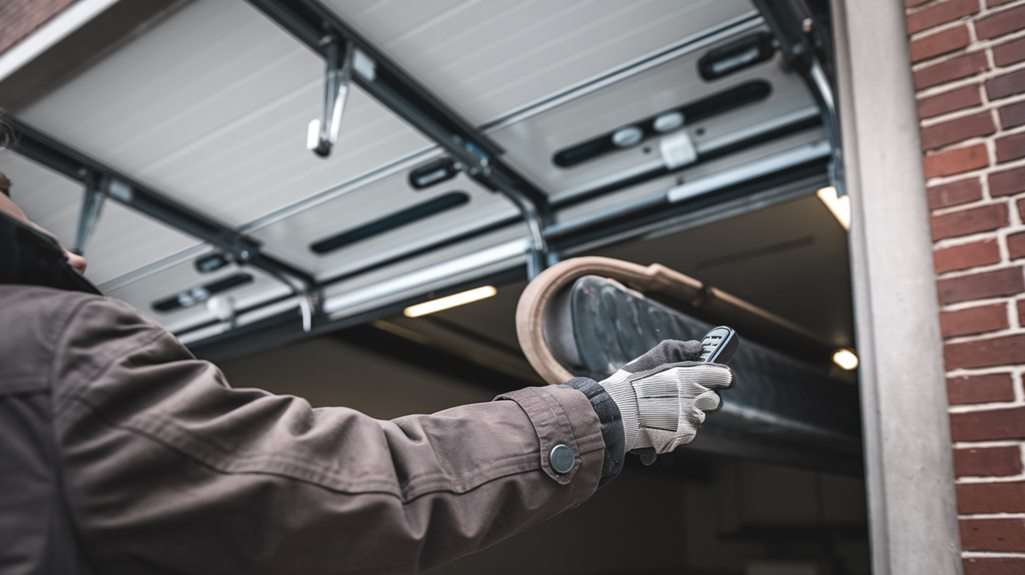
You might not think about it often, but testing and maintaining your garage door's auto-reverse feature is crucial for safety. Start by inspecting the safety sensors to ensure they're clean and aligned. Then, perform an obstacle test by placing an object in the door's path—it's a straightforward way to check if the system functions properly. However, if you notice any irregularities during these tests, it could signal a deeper issue. Understanding what to do next can make all the difference in keeping your garage door safe and reliable. Ready to explore those steps?
Key Takeaways
- Conduct a monthly visual inspection of the auto-reverse feature to ensure sensors are clear and functioning properly.
- Perform an obstacle test by placing an object in the door's path to confirm immediate reversal upon contact.
- Regularly clean and align sensors to prevent miscommunication and ensure they face each other without obstructions.
- Lubricate moving parts with silicone-based lubricant and clean tracks to maintain smooth operation and longevity.
- Call a professional for persistent issues, unusual sounds, or visible damage to ensure safety and proper functionality.
Understanding Auto-Reverse Mechanism
The auto-reverse mechanism in your garage door acts as a crucial safety feature, preventing accidents and injuries. This system automatically reverses the door's direction if it encounters an obstruction while closing. It's designed to protect pets, children, and your vehicle from being caught under a closing door.
Regular maintenance, such as checking for sensor alignment and cleanliness, is vital to ensure optimal performance and safety. The mechanism typically uses sensors, usually placed near the ground on both sides of the door. When these sensors detect an object in the path of the door, they send a signal to the opener, prompting the door to reverse.
You'll often find two types of sensors:
- Photoelectric sensors that emit an invisible beam
- Mechanical sensors that physically detect contact.
Understanding how this mechanism works is essential for ensuring its effectiveness. If the sensors are misaligned, dirty, or damaged, they won't function as intended, which could lead to serious safety risks. Regularly checking and maintaining these components helps ensure they operate smoothly.
Familiarizing yourself with how the auto-reverse feature functions not only enhances your safety but also gives you peace of mind while using your garage door. Knowing what to look for can make a significant difference in your garage door's performance.
Importance of Regular Testing
Regularly testing your garage door's auto-reverse feature is essential for ensuring it functions correctly and keeps your family safe. This safety mechanism is designed to prevent injuries or damage by automatically reversing the door's direction when it detects an obstruction. If you don't test it regularly, you risk potential accidents that could harm loved ones or pets.
Our experienced team at Supreme Garage Doors stays at the forefront of the latest trends and advancements, ensuring that your garage door's safety features are up to date.
Here are a few reasons why testing is crucial:
- Safety Assurance: Regular checks help confirm that the auto-reverse feature activates promptly, reducing the chance of accidents.
- Preventing Damage: A malfunctioning auto-reverse can lead to the garage door closing on vehicles or personal belongings, causing costly repairs.
- Peace of Mind: Knowing that your garage door operates safely allows you to relax, especially when children or pets are around.
How to Test Auto-Reverse
To ensure your garage door's auto-reverse feature is working properly and maintain home security, you'll want to test the safety sensors first.
Then, you can perform a manual test to confirm the system reacts appropriately when it encounters an obstacle.
Let's go through these steps to keep your garage door safe and functional with the help of certified experts in garage door repair.
Safety Sensor Functionality
Testing your garage door's auto-reverse feature is crucial for ensuring safety and preventing accidents. One key component of this feature is the safety sensors, which detect obstacles in the door's path. Here's how you can check their functionality:
- Visual Inspection: Start by examining the sensors. Make sure they're aligned and free from dirt or obstructions. A simple wipe with a soft cloth can do wonders.
- Obstacle Test: Place a small object, like a broomstick, in the path of the closing door. When you activate the door, it should reverse immediately upon contact with the object. If it doesn't, there's an issue that needs addressing.
- Indicator Lights: Most sensors have indicator lights that signal their functioning status. If you notice a blinking or off light, it may indicate misalignment or a malfunction.
After performing these tests, if you find any issues, it's best to consult your garage door manual or call a professional. Keeping your safety sensors in top shape not only protects you but also those around you.
Regular checks help ensure your garage door operates safely and effectively.
Manual Test Procedure
Ensuring your garage door's auto-reverse feature works properly involves a straightforward manual test. Start by locating an object, like a piece of wood or a cardboard box, to place in the door's path. Make sure the area is clear of any obstructions, and then prepare to operate the door.
Next, use your remote control or wall switch to close the garage door. As the door descends, watch closely for the object you placed. When the door makes contact with it, the auto-reverse feature should kick in, causing the door to immediately reverse and open again. If this happens, the feature is functioning correctly.
If the door doesn't reverse, check the safety sensors, ensuring they're aligned and free from debris. You might also need to consult the owner's manual for troubleshooting specific to your door model.
Common Issues With Auto-Reverse
When it comes to garage doors, the auto-reverse feature is crucial for safety, but it can sometimes encounter issues. If your garage door doesn't reverse when it should, it can pose a serious hazard. Here are some common problems you might face:
- Obstruction Sensors: Dirt, debris, or misalignment can prevent the sensors from detecting obstacles properly. If the sensors aren't clean or aligned, the door may not reverse as intended.
- Mechanical Problems: Components like springs, cables, or tracks can wear out over time. If these parts are damaged or malfunctioning, they might prevent the door from reversing correctly.
- Electrical Issues: Faulty wiring or a malfunctioning control board can interfere with the auto-reverse feature. If you notice inconsistent behavior, this could be a sign of an electrical problem.
To ensure your garage door operates safely, it's essential to identify and address these issues promptly.
Regular checks can help you catch these problems early, keeping both you and your family safe from potential accidents.
If you're unsure about fixing any issues, don't hesitate to call a professional for assistance.
Maintenance Tips for Garage Doors
To keep your garage door functioning smoothly, it's essential to stick to a regular inspection schedule. Make sure you're lubricating and cleaning the moving parts.
Don't forget to check the alignment of the sensors. These simple maintenance tips can prevent issues and extend the lifespan of your garage door.
Regular Inspection Schedule
How often do you check your garage door's auto-reverse feature? Regular inspections are crucial to ensure your door operates safely and effectively. You should aim to test the feature at least once a month. This way, you can catch any potential issues before they become serious problems.
Here's what you should include in your inspection routine:
- Visual Inspection: Look for any obstructions or debris around the door's path that could interfere with its operation.
- Test the Sensor: Place a small object, like a roll of paper towels, in the door's path. When the door descends, it should stop and reverse upon contact.
- Check Wiring: Inspect the wiring connected to the sensors for any signs of damage or wear.
Lubrication and Cleaning
Maintaining a garage door is often overlooked, but regular lubrication and cleaning are essential for its longevity and smooth operation. Start by checking all moving parts, including hinges, rollers, and tracks. Use a silicone-based lubricant or garage door-specific product to keep these areas functioning well. Avoid using grease, as it can attract dirt and grime, leading to more significant problems down the line.
Next, clean the tracks and rollers with a damp cloth to remove any debris. Ensure that the tracks are free from obstructions, which can hinder the door's movement. If you notice any rust or corrosion, lightly sand the affected areas and apply a rust inhibitor.
Don't forget to wipe down the garage door itself. Use a mild detergent and water solution to clean the surface, paying special attention to any areas that show wear or fading. This not only enhances your door's appearance but also protects the material from the elements.
Sensor Alignment Checks
One crucial aspect of garage door maintenance is ensuring the sensors are properly aligned. Misaligned sensors can prevent your garage door from functioning correctly, compromising safety. To check the alignment, start by inspecting the sensors located on either side of the door. They should face each other directly without any obstruction.
Here are some tips to help you with this process:
- Clean the sensors: Dust and debris can obstruct the sensors. Wipe them gently with a soft cloth to ensure they're clear.
- Adjust the brackets: If the sensors appear misaligned, loosen the brackets slightly and reposition them so they're facing each other accurately. Tighten them back once aligned.
- Test the door: After adjusting, test the door's auto-reverse feature by placing an object in its path. The door should reverse immediately upon contact.
Regular sensor alignment checks are essential for safe operation. If you notice persistent issues after alignment, it might be time to consult a professional.
Keeping your garage door's sensors in top shape not only enhances functionality but also ensures the safety of everyone around.
Signs Your System Needs Repair
Noticing unusual behavior from your garage door can signal that it needs repair. If your garage door hesitates, struggles to open or close, or makes grinding noises, these are red flags. You should also watch for the door reversing unexpectedly or failing to reverse at all when it encounters an object. This malfunction can compromise safety and indicate that the auto-reverse feature isn't functioning correctly.
Another sign to look out for is if the door appears uneven during operation. If one side moves faster than the other, it could indicate a problem with the springs or tracks.
Additionally, if you notice any gaps between the door and the ground when it's closed, it might mean the door isn't aligned properly, which can lead to bigger issues down the line.
When to Call a Professional
If you've observed any of the signs that indicate your garage door needs repair, it might be time to consider calling a professional. While some minor adjustments can be made on your own, certain situations require expert help to ensure safety and proper functionality.
Here are a few scenarios when it's best to call in a pro:
- Persistent Auto-Reverse Issues: If your garage door doesn't reverse correctly or gets stuck, it could indicate a malfunction that needs professional diagnosis.
- Strange Noises: Unusual sounds like grinding, squeaking, or banging when operating the door often signal underlying mechanical problems that require expert attention.
- Misalignment or Damage: If you notice that your garage door isn't closing evenly or has visible damage, a professional can assess and fix the issue safely.
In these cases, don't hesitate to reach out to a qualified technician. They've the experience and tools to handle complex repairs, ensuring your garage door operates smoothly and safely. Remember, it's always better to be safe than sorry when it comes to garage door maintenance!