Did you know that a garage door can significantly impact your home's curb appeal? When you're choosing the best garage door, it's crucial to consider your home's architectural style and how the door complements it. From material options to color choices, each decision plays a role in achieving a cohesive look. But beyond aesthetics, there are practical factors to weigh that could affect your long-term satisfaction. Understanding these elements will help you make an informed choice that not only enhances your home's beauty but also its functionality.
Key Takeaways
- Assess your home's architectural style to determine a garage door that complements its overall design and character.
- Choose materials that enhance the aesthetic, such as wood for traditional homes or steel for contemporary designs.
- Select colors and finishes that harmonize with your exterior palette, considering glossy for modern looks and matte for traditional styles.
- Include design features like window shapes and panel styles that reflect the existing details of your home for a cohesive appearance.
- Ensure the garage door size is proportionate to your home and garage for visual balance and functionality.
Assess Your Home's Style
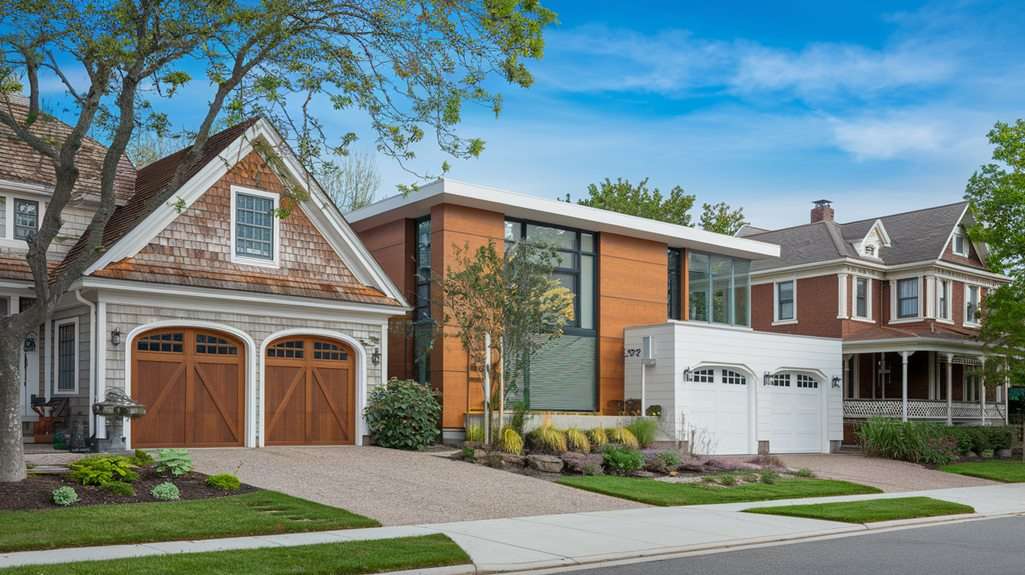
When it comes to choosing a garage door, assessing your home's style is crucial for achieving a cohesive look. You want your garage door to complement the architectural features and overall aesthetic of your house. Start by identifying the design elements that define your home—whether it's modern, traditional, or somewhere in between.
Next, consider the color and finish. A garage door should harmonize with your exterior paint and materials. If your home showcases rustic charm, a wooden door could enhance that appeal. For a contemporary vibe, sleek, minimalist designs work best.
Think about the details, too. Decorative hardware, window styles, and panel designs can make a significant difference. If your home has ornate features, a more detailed garage door can elevate the overall look.
On the flip side, if your architecture is simple, you might prefer a streamlined door.
Explore Material Options
Choosing the right material for your garage door plays a vital role in both aesthetics and functionality. You've got several options to consider, each with its own benefits.
Steel is a popular choice for its strength and low maintenance. It can withstand harsh weather and resist dents, making it ideal if you live in a storm-prone area. Plus, it's available in various styles and finishes.
Wood, on the other hand, offers a classic, elegant look that can enhance your home's curb appeal. It's customizable, allowing you to choose from different wood types and designs. However, wood requires more upkeep to prevent rot and warping, particularly in humid climates.
Fiberglass is another option worth exploring. It mimics the appearance of wood but is lighter and more resistant to moisture, making it an excellent choice for coastal areas.
Lastly, aluminum is lightweight and resistant to rust, but it may not offer the same insulation as other materials.
Ultimately, think about your home's architecture, climate, and maintenance preferences when selecting the right material for your garage door. Each option has its unique advantages, so weigh them carefully to find the best fit for your needs.
Consider Color and Finish
While the material of your garage door sets the foundation, the color and finish you choose can dramatically elevate its overall appearance. The right color and finish can enhance your home's curb appeal and tie together its architectural style. Here are some key points to consider:
- Complement Your Home's Palette: Choose colors that harmonize with your home's exterior. Consider your siding, trim, and roof colors for a cohesive look.
- Think About the Finish: A glossy finish can create a modern look, while a matte finish tends to be more traditional. Decide what style resonates with you.
- Consider Local Climate: Darker colors may absorb more heat, which can affect the door's longevity in warmer climates. Lighter colors can help keep things cooler.
- Account for Maintenance: Some finishes require more upkeep than others. If you want something low-maintenance, think about opting for a finish that's durable and easy to clean.
Evaluate Design and Features
When choosing a garage door, you need to consider how well it fits with your home's architectural style.
Think about the material and color options that will enhance your curb appeal.
Finding the right design and features can make all the difference in creating a cohesive look for your property.
Architectural Style Compatibility
A garage door can significantly enhance your home's curb appeal, but it's essential to ensure its design and features align with your architectural style. When you're selecting a garage door, consider how its aesthetic complements your home's overall look. Here are some key elements to evaluate:
- Style: Match the door's style with your home's architecture—traditional, modern, or rustic designs can create harmony or contrast.
- Details: Look for details like window shapes, panel designs, and hardware that resonate with your home's character.
- Proportion: Ensure the size of the door is proportionate to your garage and the rest of your home. A door that's too large or too small can disrupt visual balance.
- Functionality: Consider features like insulation or automatic opening that enhance usability while fitting seamlessly into your architectural design.
Material and Color Options
Choosing the right material and color for your garage door can greatly impact its appearance and durability. When it comes to materials, you've got several options: steel, wood, aluminum, and fiberglass.
Steel doors are durable and require minimal maintenance, while wooden doors offer a classic and elegant look but need regular upkeep to prevent warping. Aluminum is lightweight and resistant to rust, making it a great choice for coastal areas, and fiberglass can mimic wood's appearance without the heavy maintenance.
Color is just as crucial. A well-chosen color can enhance your home's curb appeal and complement its architecture. Neutral tones like white, beige, or gray provide a timeless look, while bold colors can make a statement and showcase your personality. Consider your home's existing palette when selecting a color; you want your garage door to harmonize with the rest of your property.
Ultimately, think about how the material and color will hold up against your local climate and your lifestyle needs. A well-chosen garage door can't only boost your home's aesthetics but also provide long-lasting functionality.
Think About Energy Efficiency
Energy efficiency is a crucial factor to consider when selecting a garage door. A well-insulated garage door can help maintain your home's temperature, reducing energy costs and enhancing comfort. When you're evaluating options, here are some key points to keep in mind:
- Insulation Type: Look for doors with high R-value insulation. This indicates better thermal resistance, which translates to energy savings. Proper maintenance is also essential to ensure the insulation remains effective over time, as highlighted by Supreme Garage Door.
- Material Matters: Certain materials, like steel or fiberglass, often provide better insulation than others. Choose materials that match your climate needs for optimal efficiency.
- Sealing: Ensure your garage door has proper weather stripping and seals. These features prevent drafts and keep conditioned air inside, reducing heating and cooling costs.
- Energy Star Rating: Consider doors with an Energy Star certification. These products meet strict energy efficiency guidelines, ensuring you're making a sustainable choice.
Budgeting for Your Garage Door
Setting a realistic budget for your garage door is essential to ensure you find the right balance between quality and cost. Start by determining how much you're willing to spend. Garage doors can range from a few hundred to several thousand dollars, depending on materials, design, and features.
Consider the type of door that suits your home's architecture. Steel doors are often more affordable, while wooden ones can get pricey but offer a classic look. Don't forget about installation costs; hiring a professional can add significantly to your budget.
It's wise to factor in any additional features, like insulation or smart technology. These elements might raise your initial costs but can save you money on energy bills in the long run.
Research different brands and models to find the best value. Get multiple quotes from contractors to ensure you're not overpaying.
Lastly, keep in mind that a garage door is a long-term investment. Prioritize quality over the lowest price. By setting a clear budget and doing your homework, you'll find a garage door that enhances your home's appeal without breaking the bank.