
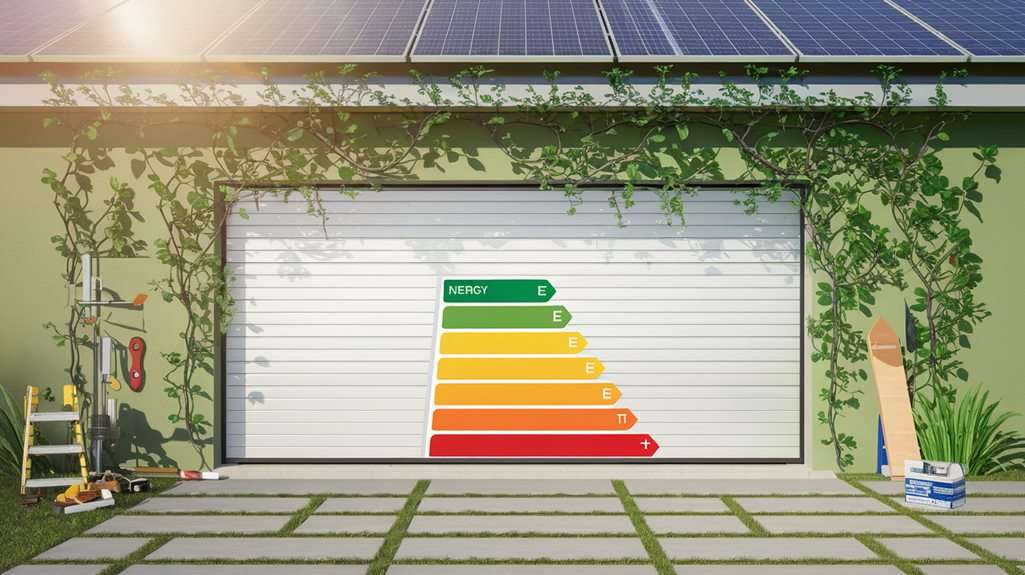
When you consider upgrading your garage door, energy efficiency should be high on your list. Not only can it enhance your home's curb appeal, but it can also lead to significant savings on energy bills over time. By focusing on the right materials and understanding the importance of R-value, you can make an informed choice that benefits your wallet and the environment. However, the installation process and maintenance are just as crucial for maximizing these advantages. What steps should you take to ensure a seamless transition to an energy-efficient garage door?
Key Takeaways
- Energy-efficient garage doors enhance aesthetic appeal, reduce energy bills, and improve curb appeal, ultimately increasing a home's market value.
- Choose doors with a high R-value and multi-layered construction for superior insulation and energy efficiency.
- Proper installation is crucial; ensure accurate measurements and hire professionals for best results to prevent air leaks.
- Regular maintenance, including lubrication and weatherstripping checks, prolongs the lifespan and efficiency of garage doors.
- Energy-efficient doors contribute to environmental sustainability by reducing energy consumption and greenhouse gas emissions.
Benefits of Energy-Efficient Garage Doors
When you choose energy-efficient garage doors, you not only enhance your home's aesthetic appeal but also gain significant financial benefits. These doors can drastically reduce your energy bills by minimizing heat transfer, keeping your garage and adjacent living spaces comfortable year-round.
When your garage maintains a steady temperature, your heating and cooling systems don't have to work as hard, which means lower energy consumption and savings on monthly bills.
Moreover, energy-efficient doors often come with durable materials and advanced technology, resulting in less frequent replacements. This longevity translates into additional savings over time, as you won't have to invest in new doors as often.
Plus, many energy-efficient models feature attractive designs that can elevate your home's curb appeal, potentially increasing its market value.
Another benefit is noise reduction. Energy-efficient garage doors often incorporate insulation that helps minimize sound from outside, creating a quieter environment inside your home. This is particularly beneficial if your garage is attached to your living space.
Understanding R-Value and Insulation
Understanding R-value and insulation is crucial when selecting energy-efficient garage doors. R-value measures a material's resistance to heat flow; the higher the R-value, the better the insulation. This means you'll keep your garage warmer in winter and cooler in summer, leading to significant energy savings.
When choosing a garage door, consider its R-value. A door with a higher R-value will reduce energy loss, which is especially important if your garage is attached to your home. Insulated doors typically use materials like polyurethane or polystyrene, which provide excellent thermal resistance.
Additionally, pay attention to the door's design. Multi-layer construction often enhances insulation, as it traps air between layers, creating a buffer against outside temperatures.
Don't overlook the importance of proper installation, either. Even the best-insulated door won't perform well if it's poorly installed. Gaps and leaks can undermine energy efficiency, so make sure the door fits snugly within the frame.
Taking these factors into account will help you choose a garage door that not only enhances your home's energy efficiency but also contributes to comfort and savings in the long run.
Choosing the Right Material
Selecting the right material for your garage door is essential, especially if you're prioritizing energy efficiency. Different materials offer varying levels of insulation, durability, and aesthetic appeal. Here's what you should consider:
- Steel: Known for its strength and durability, steel doors can be insulated, providing excellent energy efficiency. They're low-maintenance and resistant to wear.
- Wood: Wood doors bring a classic charm but need regular maintenance to prevent warping and rotting. When properly insulated, they can offer decent energy efficiency.
- Fiberglass: Lightweight and resistant to dents, fiberglass doors can mimic wood's appearance. They insulate well but may fade over time if exposed to direct sunlight.
- Aluminum: While lightweight and rust-resistant, aluminum doors often have lower insulation values. However, they can be a cost-effective option in milder climates.
Cost Savings Over Time
Switching to an energy-efficient garage door can lead to significant savings on your energy bills each month. Not only do these doors help maintain your home's temperature, but they also boost your property's long-term investment value. By making this upgrade, you're setting yourself up for financial benefits for years to come.
Additionally, energy-efficient garage doors from Supreme Garage Doors are designed with cutting-edge technology to ensure maximum insulation and efficiency.
Reduced Energy Bills
Investing in energy-efficient garage doors not only enhances your home's comfort but can also lead to significant savings on your energy bills. When you upgrade to a well-insulated garage door, you'll notice the difference on your monthly statement. These doors help maintain a stable temperature in your garage, reducing the need for heating or cooling in adjacent spaces.
Here's how you can benefit financially:
- Lower heating costs: Insulation keeps your garage warm in winter, reducing the energy needed to heat your home.
- Reduced cooling expenses: In summer, a well-insulated door prevents heat from entering, lessening your air conditioning load.
- Increased home value: Energy-efficient features can make your home more attractive to buyers, leading to potential resale benefits.
- Tax incentives: You might qualify for energy tax credits or rebates, boosting your initial savings.
Long-Term Investment Value
Upgrading to energy-efficient garage doors not only cuts down your monthly bills but also represents a smart long-term investment for your home. By choosing these doors, you're enhancing your property's energy efficiency, which can lead to significant savings over time.
Insulated garage doors help maintain your home's temperature, reducing the strain on your heating and cooling systems. This means lower energy costs, which can add up to considerable savings each year.
Moreover, many energy-efficient garage doors are built to last longer than traditional options, thanks to higher-quality materials and construction. This durability means you'll spend less on repairs and replacements, further contributing to your overall savings.
Additionally, when you decide to sell your home, energy-efficient features can boost your property value, attracting potential buyers who are looking for cost-effective solutions.
In essence, investing in energy-efficient garage doors pays off in multiple ways. You'll enjoy immediate savings on energy bills and benefit from long-term durability, making it a wise decision for your financial future. Embracing this upgrade not only enhances your home's value but also helps the environment, reflecting your commitment to sustainability.
Installation Process Overview
When you decide to install energy-efficient garage doors, understanding the installation process can make the experience smoother and more rewarding.
First, you'll want to gather the necessary tools and materials, ensuring you have everything on hand before you start. This will save you time and frustration down the line.
Next, follow these key steps to streamline your installation:
- Measure the opening: Accurate measurements ensure your new door fits perfectly and operates smoothly.
- Remove the old door: Safely take down the existing garage door, paying attention to any electrical components or hardware.
- Prepare the new door: Assemble the new energy-efficient door according to the manufacturer's instructions, ensuring all parts are ready for installation.
- Install the new door: Carefully position the door into the frame, securing it with brackets and ensuring it operates correctly.
Maintenance Tips for Longevity
Once your energy-efficient garage doors are installed, proper maintenance will help ensure they last for years to come. Start by regularly inspecting the door for any signs of wear and tear. Check the weather stripping around the edges to keep out drafts and moisture. If you notice any damage, replace it promptly to maintain energy efficiency.
Lubricate the moving parts, such as rollers, hinges, and tracks, at least twice a year. Use a silicone-based lubricant to avoid attracting dirt and debris. This will keep your door operating smoothly and reduce wear on components.
Make sure to clean the door's surface regularly with a mild detergent and water. This prevents buildup that can damage the finish. Avoid using harsh chemicals that might harm the material.
Test the door's balance periodically. Disconnect the opener and manually lift the door halfway. If it doesn't stay in place, it may need adjustment.
Lastly, consider scheduling an annual professional inspection to catch any potential issues before they become serious problems.